
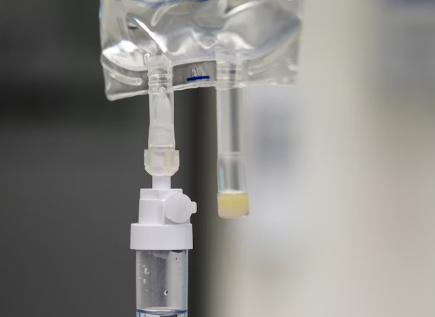
Low Iron IV Treatment as a Rapid Treatment for Iron Deficiency Anemia
Low iron IV treatment is a medical procedure used to help treat iron deficiency anemia more quickly. This method involves injecting iron directly into the bloodstream to optimize absorption. This treatment is generally considered for cases of severe anemia, especially when oral supplements cause side effects or do not provide adequate results.
Advantages of Low Iron IV Treatment
Here are some of the advantages of IV iron therapy:
Faster Treatment
Administering iron via intravenous (IV) infusion is considered more effective in helping increase hemoglobin levels than taking oral iron supplements. This method allows the iron to enter the bloodstream directly, allowing for optimal absorption and visible results in a relatively short time. Furthermore, this therapy is often an option when the body needs an immediate increase in hemoglobin or when oral supplements do not provide adequate results.
What Would Indicate Hypersensitivity to Intravenous Iron Sucrose?
Signs of hypersensitivity to intravenous iron sucrose generally include reactions during or after the infusion, similar to an allergic response. However, the good news is that the risk of hypersensitivity reactions with second- and third-generation intravenous iron preparations is now much lower than with older-generation iron dextran preparations, which previously caused these side effects more frequently.
What are the Benefits of Ferric Derisomaltose (FDI) Preparations Compared to Iron Sucrose?
Ferric derisomaltose (FDI) preparations, as third-generation intravenous iron, have safety advantages, particularly regarding the very low risk of hypersensitivity reactions. Compared with second-generation iron sucrose, the difference is not significant, but FDI tends to show a slightly lower incidence.
It’s important to understand that iron sucrose itself already has a much better allergic reaction profile than previous-generation iron dextran. Overall, the reduced risk with FDI is marginal but remains a valuable addition in clinical practice. Furthermore, the improved formulation stability of FDI contributes to optimal tolerability, making its use often considered in patients requiring intravenous iron therapy with greater safety.
Side Effects
Common side effects include changes in taste, nausea and vomiting, headache, muscle and joint pain, and itching or a skin rash. In some cases, mild dizziness or reactions at the injection site may also occur.
Low iron iv treatment can be an effective and rapid treatment option to help treat iron deficiency anemia, especially in situations where oral therapy is ineffective or poorly tolerated. By absorbing directly into the bloodstream, this therapy helps accelerate the increase in hemoglobin levels while improving iron reserves in the body.
